

+918048037877

Currently it only shows your basic business info. Start adding relevant business details such as description, images and products or services to gain your customers attention by using Boost 360 android app / iOS App / web portal.

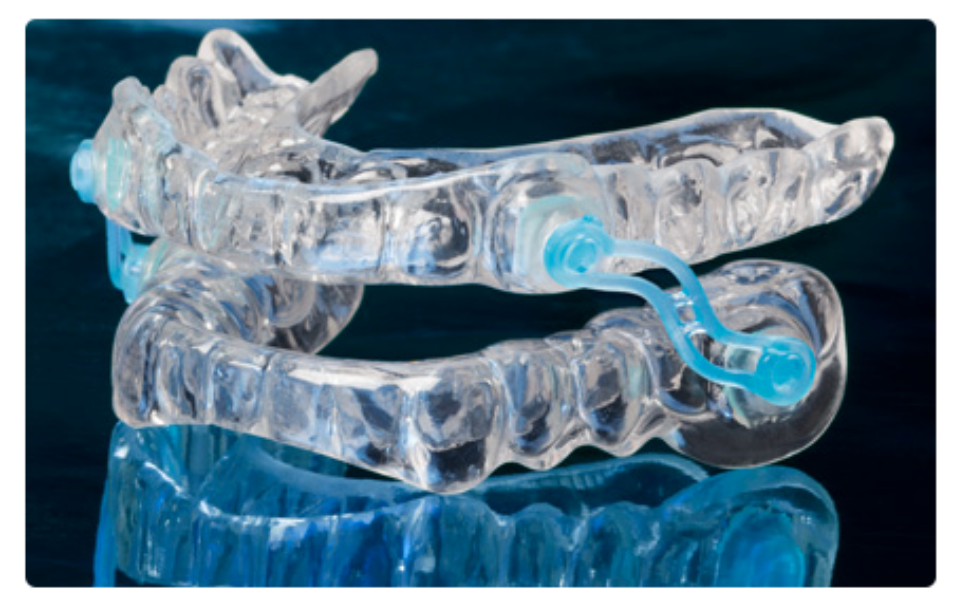
Chennai Snoring Centre Understanding Snoring: Why It Happens and How to Tackle It Snoring is something many people experience, but it’s often dismissed as a harmless annoyance. However, for those who snore (or have to listen to someone snoring), it can be a disruptive issue. It’s more common than you might think, and understanding why it happens can help in managing it. What Is Snoring? Snoring occurs when the flow of air through the mouth and nose is partially obstructed during sleep, causing the surrounding tissues in the throat to vibrate. This vibration produces the sound we know as snoring. It’s not just about the noise, though — it’s a sign that something’s causing your airways to be less than clear. Common Causes of Snoring 1. **Nasal Congestion**: If your nose is blocked due to allergies, a cold, or sinus issues, you may breathe through your mouth while sleeping. This can lead to snoring because the air flowing through the throat isn’t as smooth. 2. **Mouth Breathing**: As mentioned, mouth breathing can lead to snoring. Dry air or nasal congestion might force you to breathe through your mouth, making the tissues in the throat vibrate as they struggle with the airflow. 3. **Obesity**: Extra weight, especially around the neck and throat, can cause narrowing of the airways. This makes it harder for air to pass through, leading to snoring. 4. **Age**: As we age, the muscles in our throat become weaker and less toned. This can cause the tissues to collapse slightly during sleep, narrowing the airway and increasing the likelihood of snoring. 5. **Sleep Position**: Lying on your back can cause your tongue and soft tissues to collapse into your throat, blocking the airway and causing snoring. 6. **Alcohol and Sedatives**: Alcohol and certain medications can relax the muscles in your throat, leading to a greater likelihood of snoring. 7. **Sleep Apnea**: In more serious cases, snoring can be a symptom of sleep apnea, a condition where the airway becomes completely blocked during sleep, leading to pauses in breathing. If someone snores loudly and frequently stops breathing for short periods, sleep apnea might be a concern. Snoring and Health Risks While snoring is often seen as a simple inconvenience, it can sometimes be a red flag for other health issues. Chronic snoring, particularly when paired with symptoms like daytime fatigue or choking sounds while sleeping, might indicate sleep apnea. This condition is linked to high blood pressure, heart disease, stroke, and diabetes, which makes it critical to address. How to Manage Snoring There are several ways to manage and reduce snoring: 1. **Change Sleep Position**: Sleeping on your side instead of your back can reduce snoring. Try using a body pillow to help keep you in position. 2. **Lose Weight**: If excess weight around the neck is contributing to your snoring, losing weight through a healthy diet and exercise can help alleviate the problem. 3. **Avoid Alcohol**: Avoid consuming alcohol or sedatives close to bedtime, as they relax the muscles in your throat and increase the chances of snoring. 4. **Clear Nasal Passages**: Use a humidifier, nasal strips, or saline sprays to reduce nasal congestion and ensure that your airways are clear before bedtime. 5. **Practice Good Sleep Hygiene**: Establish a consistent sleep routine, ensuring you get enough sleep each night. Being well-rested can sometimes help reduce snoring. 6. **Consult a Doctor**: If snoring is persistent and disruptive, consult a healthcare professional to rule out sleep apnea or other underlying conditions. 7. **Treatments**: MADs can be of great use for management of snoring! So what are MADS or Mandibular advancement devices! Use of Mandibular advancement devices (MADs) for snoring! Mandibular advancement devices (MADs) are oral devices that are placed in the mouth to reposition the jaw, tongue, and other structures of the upper airway (UA) to help treat chronic snoring and obstructive sleep apnea (OSA). According to the American Sleep Disorders Association, these devices are a proven alternative treatment option. They are often the first line of treatment for individuals with simple snoring, mild OSA, or mild to moderate OSA with a low body mass index. They are also a viable option for those with an increased resistance syndrome of the upper airway. Additionally, MADs serve as a secondary choice for patients who don’t respond well to or cannot tolerate CPAP devices, those who are at high risk for surgery, or those who experience complications from surgical interventions. **How Mandibular Advancement Devices Work:** Mandibular advancement devices work by shifting the jaw forward and downward, which alters the structure of the upper airway. This adjustment helps to widen the pharyngeal space, making it easier for air to flow through the airway. By stabilizing the jaw and hyoid bone, the device prevents them from rotating backward while the person sleeps, especially in the side-lying position, thereby preventing airway obstruction. Though the device’s primary effect is on the velopharyngeal region, it benefits the entire pharyngeal area. This repositioning enhances the rigidity of the airway and creates additional space between the front and back pharyngeal pillars. The soft palate is also pushed forward, leading to a wider lateral airway, which significantly reduces snoring. Snoring might be a common issue, but it’s often a sign of something that can be improved. With lifestyle changes, better sleep hygiene, and medical advice if needed, snoring can become more manageable, allowing for a better night’s sleep for you and your loved ones. If your snoring is severe or accompanied by other symptoms, don’t hesitate to seek professional help!


