
+918048037877

Currently it only shows your basic business info. Start adding relevant business details such as description, images and products or services to gain your customers attention by using Boost 360 android app / iOS App / web portal.

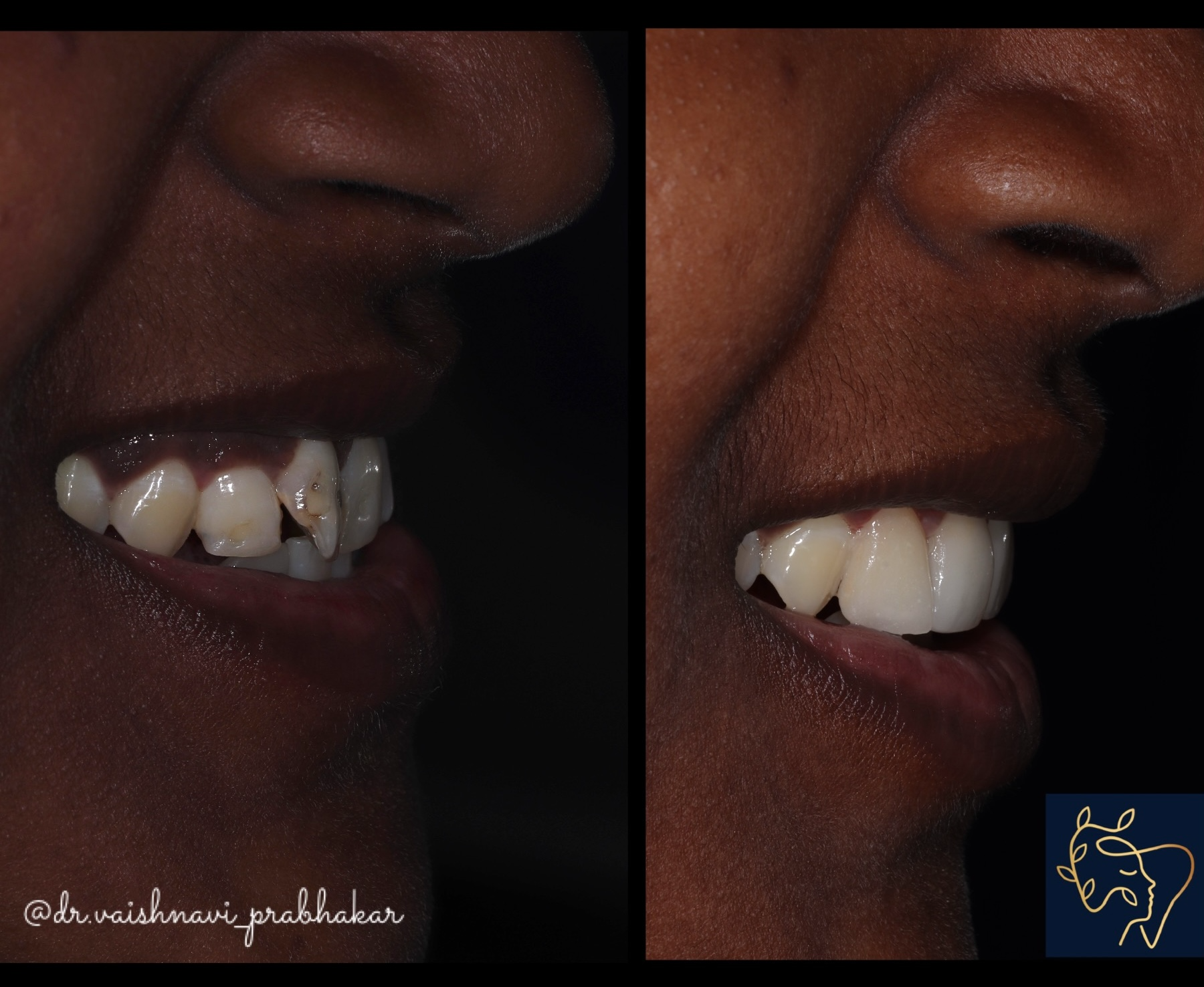
Correcting Crooked Teeth: Treatment Options from Your Dentist Crooked teeth are a common dental concern that can affect both the appearance of your smile and your overall oral health. While misaligned teeth may seem like a cosmetic issue, they can lead to problems such as difficulty cleaning your teeth, uneven wear, and even jaw pain. Fortunately, modern dentistry offers a range of treatment options to help you straighten your teeth and achieve a healthier, more confident smile. Here’s a look at some of the most popular treatment options your dentist might recommend for correcting crooked teeth: 1. Traditional Braces Traditional metal braces are the most well-known and effective method for straightening crooked teeth. Braces use a combination of metal brackets, wires, and rubber bands to gradually shift your teeth into their proper positions over time. Benefits: Braces are highly effective for correcting a variety of alignment issues, including severe cases. Considerations: They may be visible, which can be a concern for some patients, but the results are permanent once treatment is completed. 2. Ceramic Braces Ceramic braces are similar to traditional metal braces but use tooth-colored or clear ceramic brackets, making them less noticeable. This is an excellent option for those who want the effectiveness of braces without the metal look. Benefits: Discreet, yet still powerful in addressing misalignment issues. Considerations: They can be more fragile than metal braces, and the elastic bands may stain over time. 3. Lingual Braces Lingual braces are an advanced option that places the brackets and wires on the inside of your teeth, making them virtually invisible to others. These braces work just as effectively as traditional braces but provide a more discreet treatment option for those who don’t want to draw attention to their braces. Benefits: Completely hidden from view. Considerations: May be harder to clean and more difficult to adjust to, especially when speaking or eating. 4. Clear Aligners (e.g., Invisalign) Clear aligners, like Invisalign, are an increasingly popular choice for those looking for a less noticeable way to straighten their teeth. These aligners are custom-made, transparent trays that fit snugly over your teeth and gradually move them into alignment. They can be removed for eating and cleaning, offering more flexibility than traditional braces. Benefits: Discreet, comfortable, and removable. Considerations: Requires discipline to wear them for the recommended number of hours each day (usually 20-22 hours). 5. Dental Veneers For those with mild misalignment, dental veneers can be a quick and cosmetic solution. Veneers are thin shells of porcelain or composite resin that cover the front surface of the teeth. While they don't move the teeth themselves, veneers can hide imperfections, making crooked teeth appear straighter. Benefits: Fast, non-invasive, and effective for cosmetic correction. Considerations: Only suitable for mild cases and doesn’t address the underlying alignment issue. 6. Dental Bonding Dental bonding is another cosmetic procedure where a tooth-colored resin is applied to your teeth to improve their shape and appearance. In some cases, bonding can be used to make crooked teeth appear straighter by reshaping the tooth edges. Benefits: Quick, affordable, and minimally invasive. Considerations: Not a long-term solution for significant misalignment, and the resin can stain over time. 7. Retainers After completing orthodontic treatment, whether it’s with braces or clear aligners, retainers help maintain your newly aligned smile. Retainers are often worn at night to prevent teeth from shifting back into their previous positions. Benefits: Helps maintain alignment after orthodontic treatment. Considerations: Consistent wear is crucial for long-term success. 8. Palatal Expanders (for Children) In children or teenagers with a narrow upper jaw, a palatal expander can be used to widen the palate, creating enough space for the teeth to align properly. This treatment is usually done before braces are applied. Benefits: Can prevent the need for extractions by creating room for teeth to fit. Considerations: Only suitable for younger patients with developing jaws. 9. Surgical Options (for Severe Cases) In rare and extreme cases, surgery may be needed to correct jaw misalignment that contributes to crooked teeth. Orthognathic surgery can reposition the jawbones, improving both function and appearance. This is usually a last resort when other orthodontic treatments are not effective on their own. Benefits: Corrects severe misalignment of both teeth and jaw. Considerations: Involves a lengthy recovery period and is more invasive than other treatments. Choosing the Right Treatment If you’re dealing with crooked teeth, it’s essential to consult with your dentist or orthodontist to determine which treatment option is best for you. Factors like the severity of misalignment, your age, lifestyle, and personal preferences will play a role in choosing the right path to a straighter smile. Keep in mind that each treatment has its pros and cons, so understanding your options and discussing them with your dental professional will help ensure you make the best decision for your needs. A beautiful, aligned smile can not only boost your confidence but also improve your oral health. Don’t let crooked teeth hold you back—reach out to your dentist today to explore the best treatment options available for you! call us now


