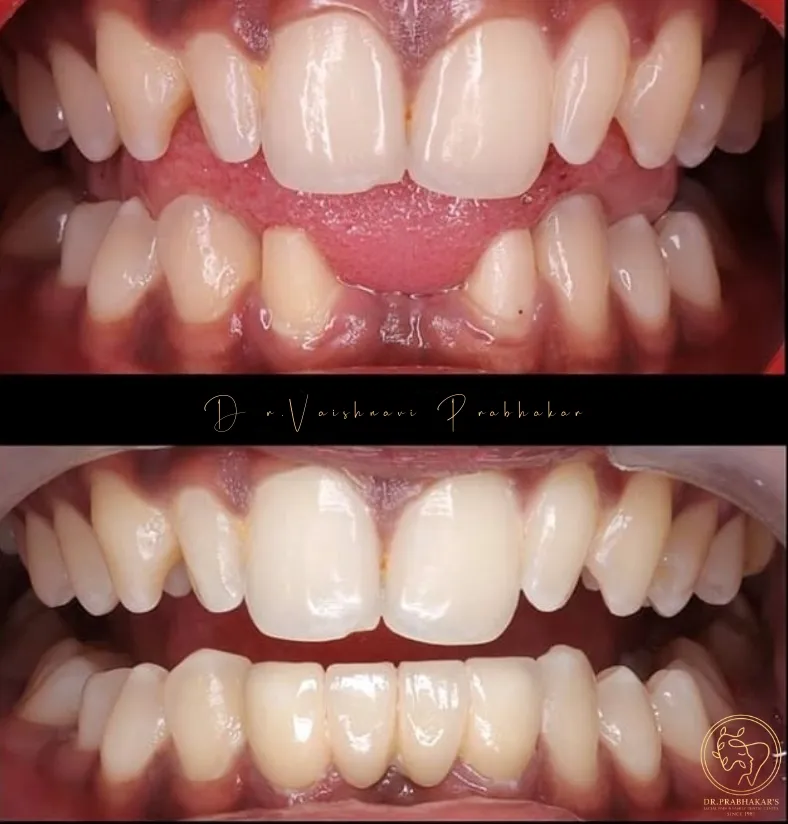
FIXED PARTIAL DENTURE (Zirconia) in anna nagar east!
The Crown Conundrum: Zirconia vs. Metal-Ceramic - When to Choose Which?
Dental crowns are a cornerstone of restorative dentistry, offering a solution for damaged, weakened, or aesthetically compromised teeth. Among the vast array of crown materials available, two stand out: zirconia and metal-ceramic. While both aim to restore function and aesthetics, their distinct properties make them suitable for different clinical scenarios. So, when should a patient opt for a zirconia crown over a traditional metal-ceramic crown? Let's delve deep into the nuances.
Understanding the Contenders:
- Metal-Ceramic Crowns (PFM): These crowns consist of a metal substructure, typically a noble or high-noble alloy, overlaid with a layer of porcelain. They offer a strong and durable solution, with the metal providing the necessary support and the porcelain mimicking the natural tooth's appearance.
- Zirconia Crowns: Crafted from zirconium dioxide, a highly biocompatible ceramic, these crowns offer exceptional strength, durability, and aesthetics. They can be monolithic (entirely zirconia) or layered with porcelain for enhanced translucency.
The Key Differentiators:
- Aesthetics: The Power of Natural Translucency
- Metal-Ceramic: While the porcelain layer can be shade-matched to surrounding teeth, the underlying metal substructure can sometimes create a greyish hue, especially at the gumline, particularly if the gums recede over time. This can be a significant concern in the anterior (front) region, where aesthetics are paramount.
- Zirconia: Zirconia's inherent translucency allows it to mimic the light-reflecting properties of natural teeth, resulting in a more lifelike appearance. This makes it an ideal choice for front teeth, where a seamless blend is essential. Furthermore, monolithic zirconia crowns, while extremely strong, can sometimes look opaque. Layered zirconia crowns solve this issue by adding a more translucent porcelain layer to the outside of the crown.
- Strength and Durability: A Battle of Titans
- Metal-Ceramic: These crowns are known for their robust strength, making them suitable for posterior (back) teeth, which endure significant chewing forces.
- Zirconia: Zirconia surpasses metal-ceramic in terms of strength and fracture resistance. This makes it an excellent option for patients with bruxism (teeth grinding) or those requiring crowns for posterior teeth that experience high occlusal loads.
- Biocompatibility: A Matter of Sensitivity
- Metal-Ceramic: While generally well-tolerated, some patients may experience allergic reactions or sensitivities to the metal components in PFMs.
- Zirconia: As a highly biocompatible material, zirconia minimizes the risk of allergic reactions or tissue irritation. This makes it a suitable option for patients with metal allergies or sensitivities.
- Gumline Aesthetics and Recession:
- Metal-Ceramic: As gums recede, the metal margin of a PFM crown can become visible, creating an unaesthetic dark line.
- Zirconia: Being metal-free, zirconia crowns eliminate the risk of a dark line at the gumline, ensuring a natural appearance even with gum recession.
- Preparation and Tooth Structure Conservation:
- Metal-Ceramic: Requires a certain amount of tooth structure to be removed to accommodate the metal substructure and porcelain layer.
- Zirconia: Can be fabricated in thinner sections, allowing for more conservative tooth preparation and preservation of natural tooth structure.
When to Choose Zirconia:
- Anterior (Front) Teeth: For optimal aesthetics and a natural-looking smile.
- Patients with Metal Allergies or Sensitivities: To ensure biocompatibility.
- Posterior (Back) Teeth with High Occlusal Loads: For superior strength and durability.
- Patients with Bruxism (Teeth Grinding): To withstand excessive chewing forces.
- When Conservative Tooth Preparation is Desired: To preserve natural tooth structure.
- When patient desires the most natural look possible.
When Metal-Ceramic May Still Be Considered:
- Cost Considerations: Metal-ceramic crowns are typically less expensive than zirconia crowns.
- Established Track Record: Metal-ceramic crowns have a long and proven history of clinical success.
- Specific cases where the dentist determines that the opacity of a full zirconia crown would be a detriment to the overall aestetics of the patients smile.
The Clinician's Role:
Ultimately, the choice between zirconia and metal-ceramic crowns should be made in consultation with a qualified dentist. They will assess your individual needs, consider factors such as tooth location, aesthetic preferences, and bite forces, and recommend the most suitable option for your unique situation.
Conclusion:
While metal-ceramic crowns have served as a reliable restorative option for decades, zirconia crowns have emerged as a superior alternative in many cases, particularly when aesthetics, strength, and biocompatibility are paramount. By understanding the distinct properties of each material, patients can make informed decisions and achieve a healthy, beautiful, and long-lasting smile.
Keywords