

+918048037877

Currently it only shows your basic business info. Start adding relevant business details such as description, images and products or services to gain your customers attention by using Boost 360 android app / iOS App / web portal.

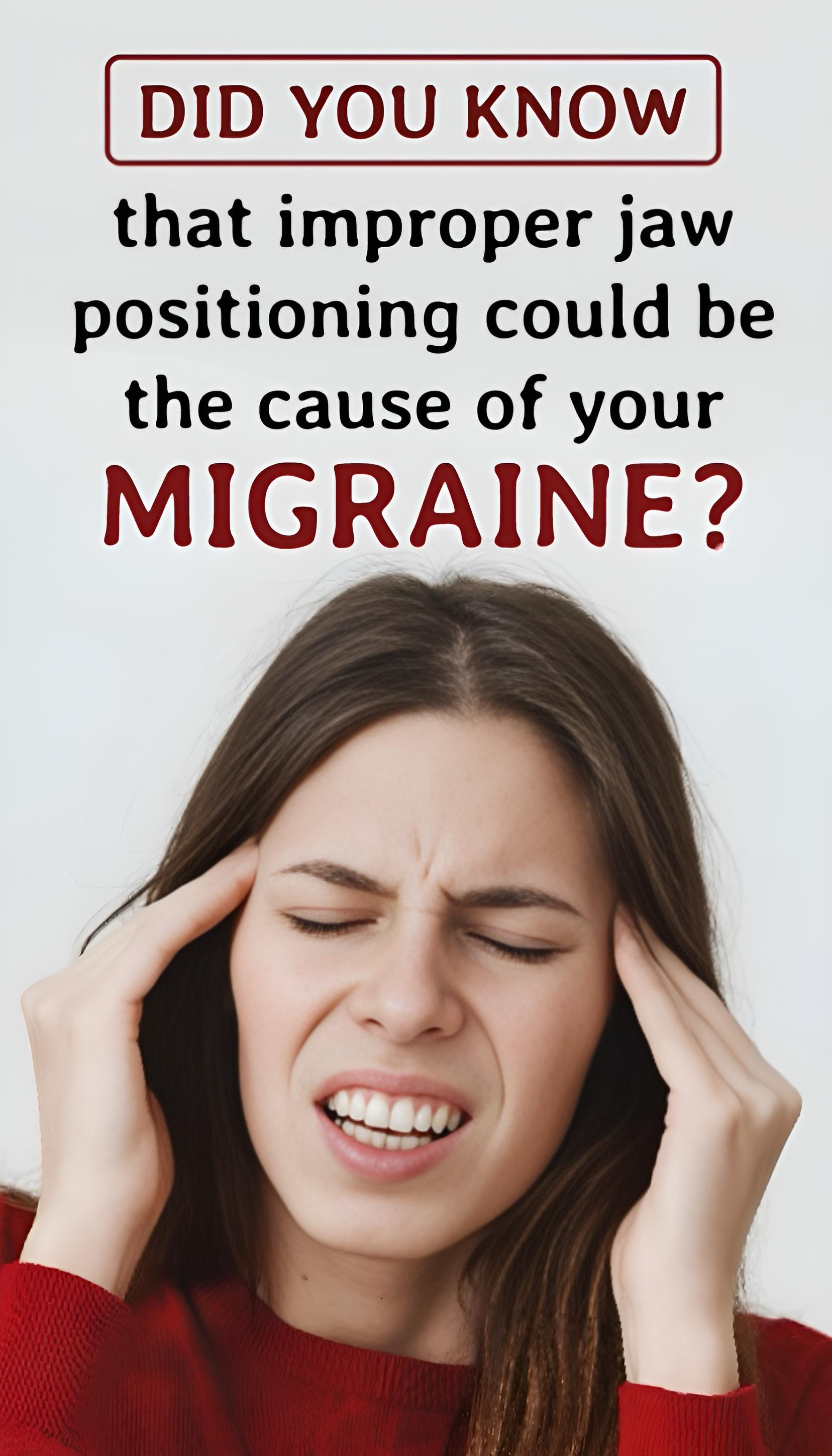
Headache treatment in Annanagar! TMJ (temporomandibular joint) disorders and migraines are both common conditions that can significantly affect a person's quality of life. They are often interconnected, as the muscles and nerves involved in TMJ disorders can trigger or worsen migraines. Here’s a breakdown of both: ### **TMJ Disorders** The TMJ is the joint that connects your jawbone to your skull. Disorders in this area, often called **TMD** (temporomandibular disorders), can cause a range of symptoms, including: - Jaw pain or tenderness - Clicking or popping sound when opening/closing the mouth - Difficulty chewing or opening the mouth - Swelling on the side of the face - Headaches (often linked to muscle tension or stress) - Tooth sensitivity or misalignment ### **Migraines** Migraines are a type of severe headache often accompanied by other symptoms such as: - Throbbing or pulsing pain, often on one side of the head - Sensitivity to light, sound, or smells - Nausea or vomiting - Aura (visual disturbances like flashing lights or blind spots) - Fatigue or dizziness ### **How TMJ and Migraines Are Related** - **Muscle Tension**: TMJ disorders often lead to jaw clenching, grinding, or other muscle tension, which can trigger headaches or migraines. The muscles involved in TMJ, such as those around the jaw and neck, can become tense and lead to referred pain that causes headaches. - **Nerve Involvement**: The trigeminal nerve, which controls sensations in the face and jaw, is closely linked to both TMJ and migraine headaches. Irritation of this nerve due to TMJ dysfunction can contribute to the development of migraines. - **Posture**: Poor posture from TMJ-related jaw misalignment can lead to tension in the neck and shoulders, which can then trigger migraines. ### **Treatment Options** If you suffer from both TMJ disorders and migraines, addressing both issues simultaneously is important: 1. **Physical Therapy**: Targeted exercises can help alleviate TMJ discomfort and reduce tension that triggers migraines. 2. **Mouthguards or Splints**: Wearing a mouthguard at night can reduce teeth grinding and jaw clenching, common contributors to both TMJ pain and migraines. 3. **Medications**: - **Pain relievers** (e.g., ibuprofen) can help with TMJ discomfort. - **Preventive migraine medications** (e.g., beta-blockers, anticonvulsants) may be prescribed to manage migraines. - **Botox injections**: For severe TMJ disorders and migraines, Botox may be used to relax the muscles involved. 4. **Stress Management**: TMJ disorders are often exacerbated by stress. Practices like meditation, yoga, or relaxation exercises may help reduce both TMJ symptoms and the frequency of migraines. 5. **Behavioral Modifications**: Avoiding habits like teeth grinding (often due to stress) or jaw clenching can be crucial in managing both conditions. 6. **Dietary Adjustments**: In some cases, avoiding trigger foods (for migraines) and eating soft foods (for TMJ pain) can reduce symptoms. If you’re experiencing both TMJ issues and migraines, working with healthcare providers like a dentist, physical therapist, and neurologist can help you find the right combination of treatments to manage both conditions effectively.


