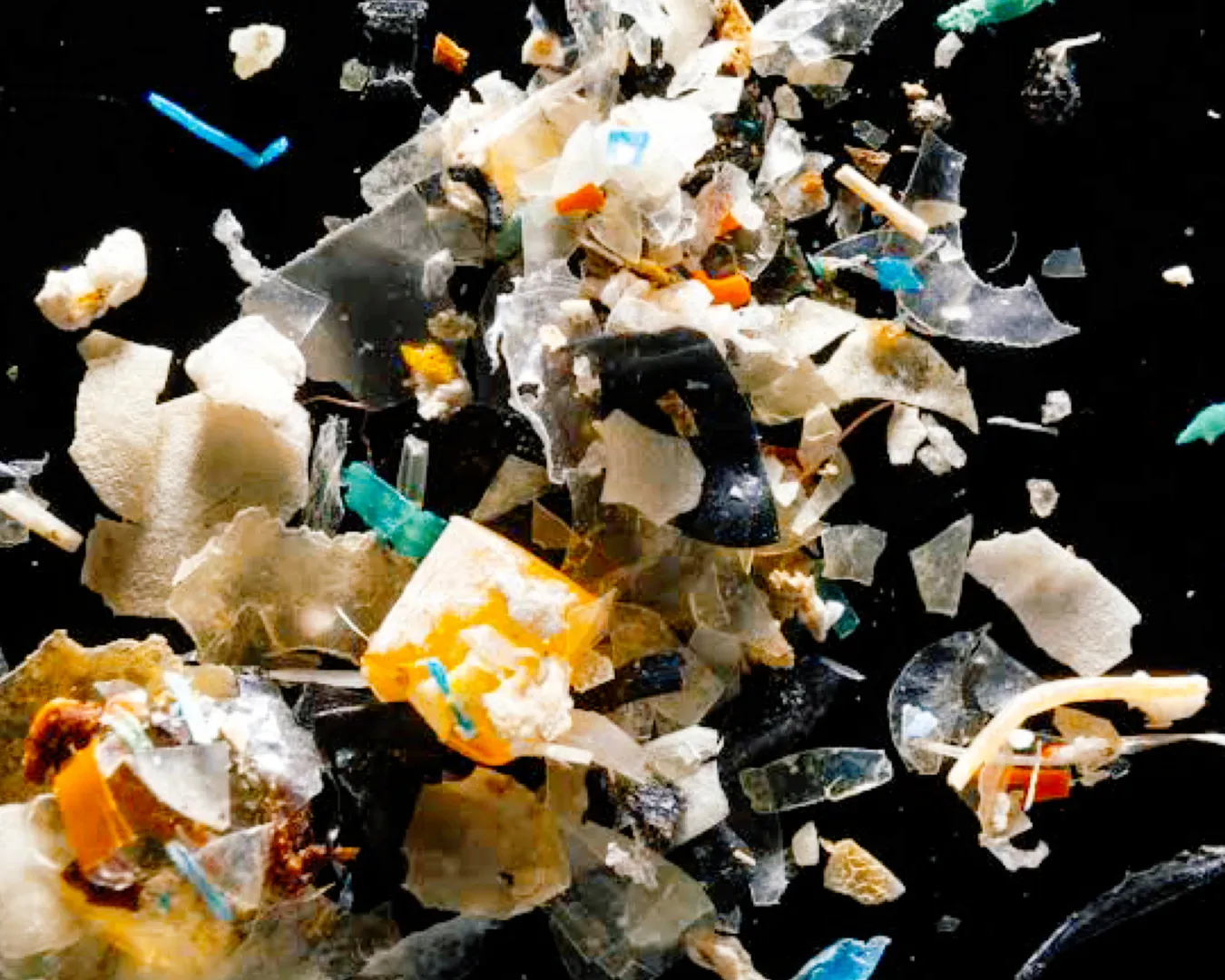
MicroPlastics we unknowingly eat – and how to avoid them!
Here’s a quick list of everyday plastic sources we should stop using ⛔:
1️⃣ Plastic Chopping Boards – Tiny plastic particles enter veggies through cracks. Use wooden or bamboo boards instead.
2️⃣ Plastic Bottles – BPA and other toxins mix into water, especially in heat. Switch to steel or glass bottles.
3️⃣ Takeaway Plastic Containers – Hot food melts plastic into your meal. Try to reheat only in glass/stainless bowls.
4️⃣ Plastic Tea Bags – Some tea bags are sealed with plastic or are made entirely of nylon/silken plastic mesh.
✅ Use: Switch to loose leaf tea with a steel strainer.
5️⃣ Cling Wraps – When used on hot or oily foods, they release microplastics and toxins.
✅ Use: Wrap food with beeswax wraps or store in glass boxes.
6️⃣ Non-stick Teflon Pans – Over time, scratched Teflon coatings can release microplastics into food.
✅ Use: Cast iron or ceramic-coated cookware.
7️⃣ Ready-to-eat Packaged Foods – Many of them are packed in multilayered plastics that release chemicals over time, especially under sunlight or heat.
✅ Tip: Reduce consumption of microwave meals, instant noodles, and plastic-sealed snacks.
8️⃣ Plastic Strainers & Spoons – Especially with hot oil or soups, plastic utensils leach toxins.
✅ Use: Steel or wooden ladles, spoons, and strainers.
9️⃣ Disposable Cups (Even paper ones) – Most paper cups have a thin plastic lining which melts with hot drinks.
✅ Use: Ceramic mugs or steel tumblers.
Even tiny plastic particles = big long-term damage (gut issues, hormone disruption, liver strain).
Start swapping smartly today 🧠🌱
Keywords