✅ General Recommendations for Using Mouthwash:
1. Use the Correct Amount
Usually 10–20 ml (2–4 teaspoons).
Use the cap or a small measuring cup.
Read the label for exact dosage.
2. Timing
After brushing and flossing is best.
Wait 15–30 minutes after brushing if your toothpaste contains fluoride — some ingredients in mouthwash (especially those with alcohol) can reduce fluoride effectiveness.
3. Swish Thoroughly
Swish vigorously for 30–60 seconds.
Make sure it reaches all areas: teeth, gums, cheeks, and under the tongue.
Gargle to clean the back of the throat if the mouthwash allows it.
4. Spit, Don’t Rinse
Do not swallow mouthwash.
Avoid rinsing with water after use — it will wash away the active ingredients.
5. No Eating or Drinking for 30 Minutes
Let the ingredients work without interference.
🕒 How Many Times to Use Mouthwash?
✅ For Most People:
Once or twice daily is ideal.
Example:
Morning after brushing
Night before bed (after brushing and flossing)
📌 Depends on Mouthwash Type:
Type of Mouthwash Use Frequency Notes
Cosmetic (for bad breath) 1–2 times daily Freshens breath only. No long-term protection.
Fluoride rinse 1 time daily Strengthens enamel, helps prevent cavities. Don’t swallow.
Antiseptic (e.g., Listerine) 1–2times daily Kills bacteria; can be harsh for sensitive mouths. May contain alcohol.
Prescription (e.g., chlorhexidine) As directed (usually 2 times daily for a limited time) Used for gum disease or after surgery. Long-term use can stain teeth.
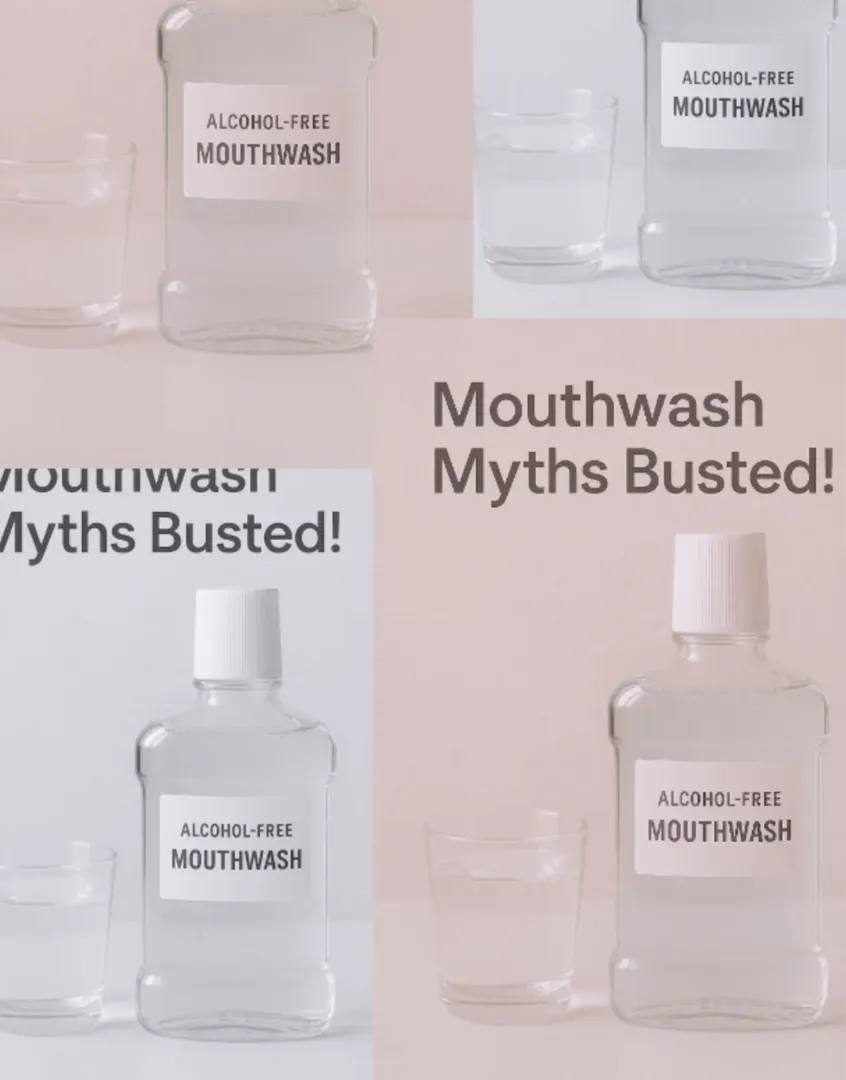
Alcohol-free options 1–2 times daily Gentler for dry mouth or sensitive tissues.
❗ Warnings & Tips:
Don't overuse – using mouthwash too often (especially antiseptic types) can irritate tissues or disrupt your mouth’s natural bacteria balance.
Kids under 6 shouldn’t use mouthwash unless directed by a dentist.
If you have gum disease, dry mouth, or cavities, choose a mouthwash tailored to your condition.
Keywords