Smile Design
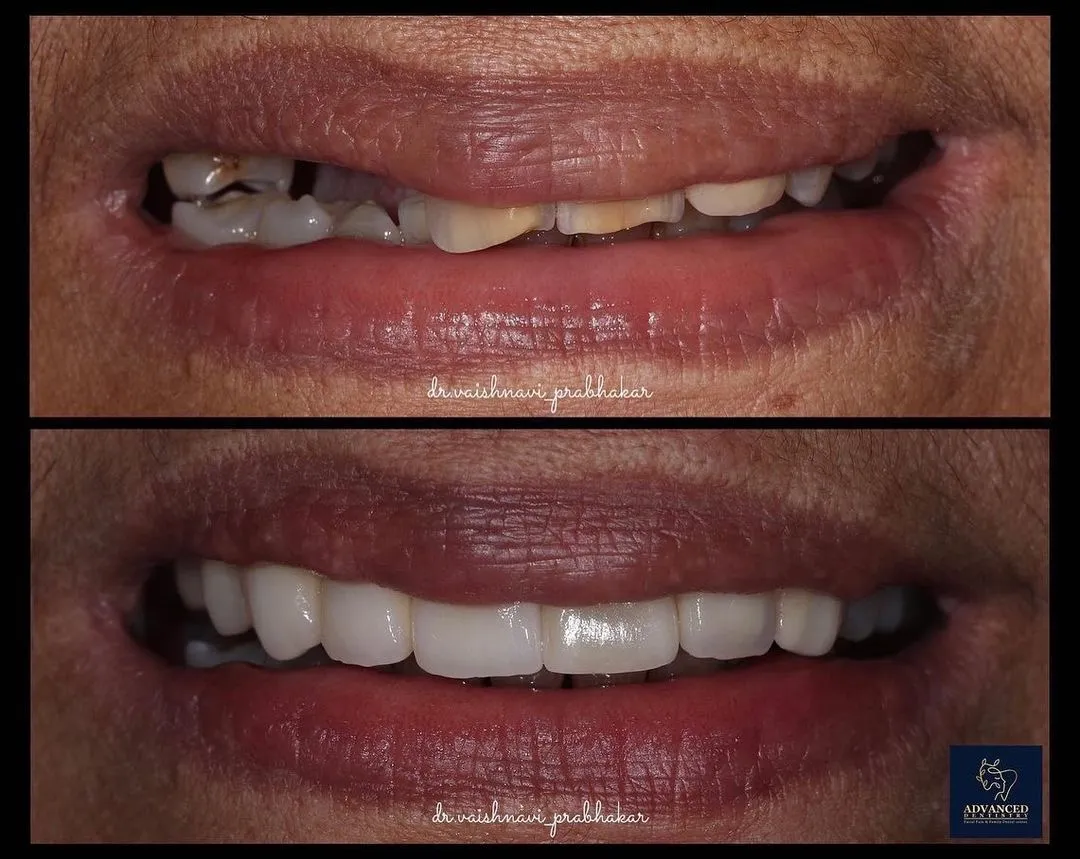
Smile design is a multifaceted process that dentists use to enhance the aesthetics of a patient's smile. It's not just about making teeth whiter; it's a comprehensive approach that considers the overall harmony of the smile with the patient's facial features. Here's a breakdown of how it's typically done:
1. Initial Consultation and Assessment:
Facial Analysis:
Dentists analyze facial proportions, symmetry, and lip lines to determine how the smile integrates with the overall face.
Dental Assessment:
This involves examining the teeth's color, shape, size, alignment, and spacing.
Gum health and alignment are also evaluated.
X-rays and digital imaging are often used to get a detailed view of the teeth and jaw.
Patient Goals:
The dentist discusses the patient's desired outcomes and expectations.
2. Treatment Planning:
Digital Smile Design (DSD):
This technology allows dentists to create digital models of the patient's smile.
It enables patients to visualize potential results before treatment begins.
Diagnostic Wax-Ups:
Dentists may create physical models of the planned smile to provide a tangible preview.
Treatment Options:
Based on the assessment and patient goals, the dentist develops a customized treatment plan, which may include:
Teeth Whitening: To brighten the smile.
Veneers: Thin, custom-made shells that cover the front surface of teeth to correct imperfections.
Crowns: To restore damaged or weakened teeth.
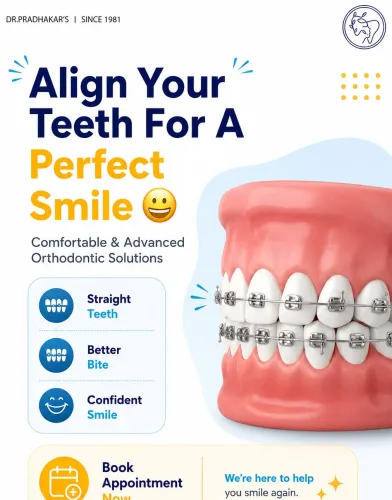
Orthodontics (braces or aligners): To straighten misaligned teeth.
Gum Contouring: To reshape the gum line.
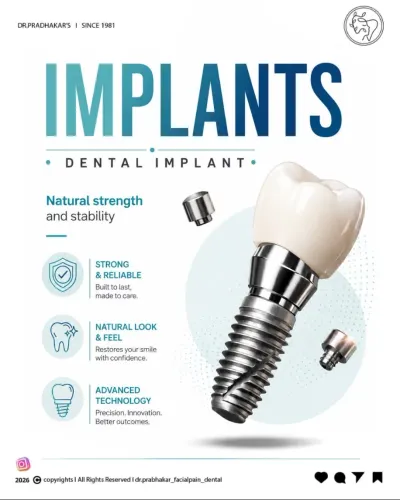
Dental Implants: to replace missing teeth.
Composite bonding: to repair chipped or discolored teeth.
3. Treatment Execution:
Our dentist performs the chosen procedures with precision and care.
Advanced technologies like CAD/CAM (computer-aided design/computer-aided manufacturing) may be used to create custom restorations.
4. Final Evaluation:
The dentist evaluates the final results to ensure they meet the patient's expectations and achieve optimal aesthetics and function.
Key Technologies Used:
Digital Imaging: For detailed analysis and treatment planning.
CAD/CAM Technology: For precise fabrication of restorations.
3D Printing: For creating dental models and restorations.
Laser Technology: For gum contouring and other procedures.
In essence, smile design is a blend of art and science, requiring a dentist's expertise in both aesthetics and dental procedures.
Consult us today ☎044- 29810176, 📞+91 90030 54603
Keywords